How Baton Rouge Humidity and Grease Affect Cabinet Paint Durability
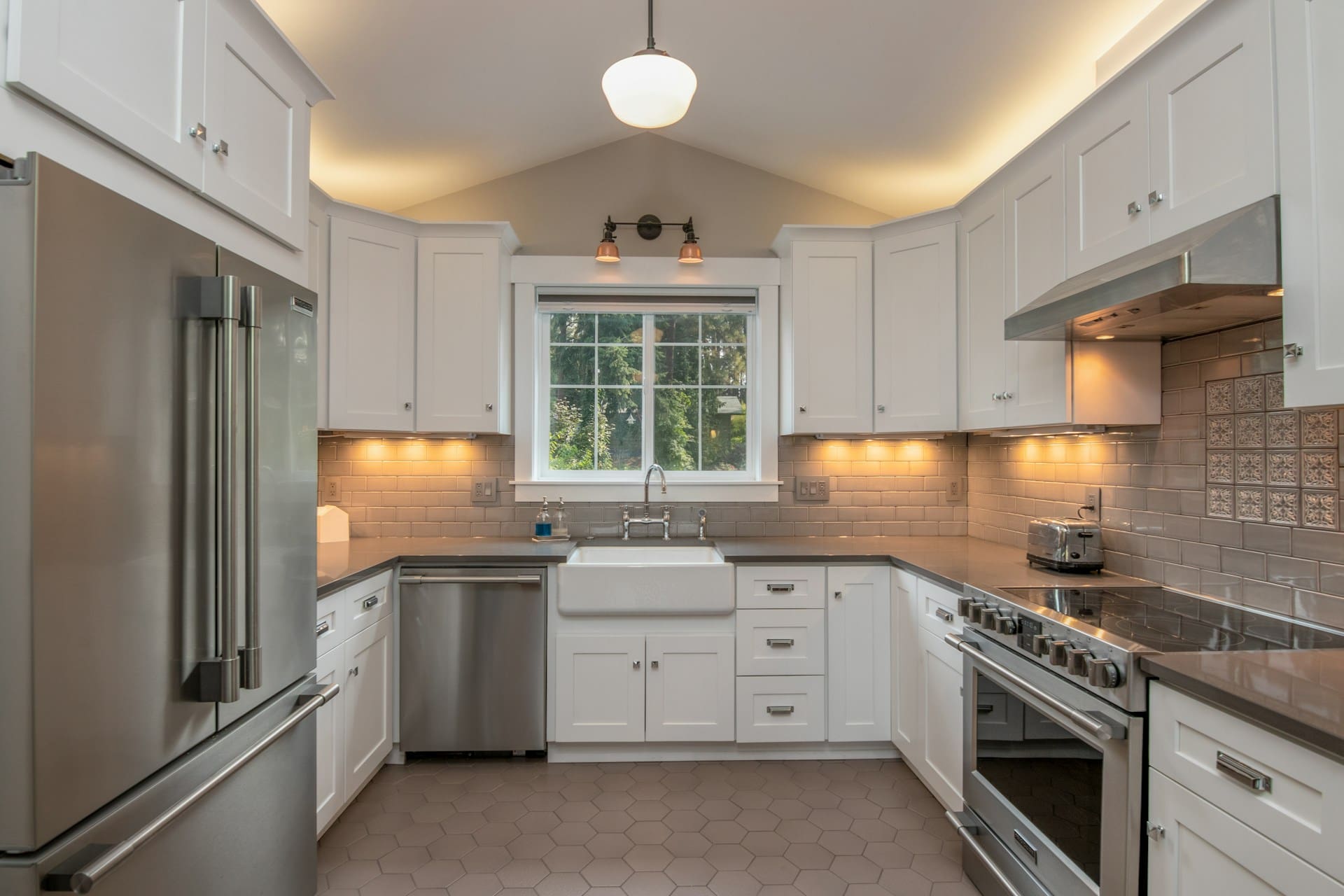
Painting kitchen cabinets sounds simple, but in Baton Rouge it can go wrong fast. Many homeowners are happy at first, then a year or two later they see peeling around the handles, chipping on the edges, or sticky doors that never feel fully dry. That is the number one complaint we hear after a rushed DIY job or a low-bid project.
Our climate and our kitchens are tough on cabinet paint. High humidity, warm air most of the year, and heavy cooking all work against a smooth, long-lasting finish. Color and brand do matter, but what really controls how long your cabinets last is prep, the right products, and enough time for the finish to cure.
At Prestigious Painting, we focus on the parts you do not see: deep cleaning grease, sanding or deglossing slick surfaces, using bonding primers that actually grip, and giving coatings the time they need to harden. When those steps are done right, cabinet paint can stay smooth and strong for years, even in Baton Rouge kitchens that get used every day.
How Baton Rouge Humidity Wrecks Cabinet Paint
Baton Rouge humidity is no joke. That sticky air you feel outside is also inside your home, and your cabinets feel it day after day. Wood and wood products soak up moisture, then release it, which makes them swell and shrink over time.
Here is what that does to cabinet paint in our area:
- Small movement in the wood puts stress on the paint film, especially on door joints and edges
- Hairline cracks can start at corners and slowly turn into chips and flaking
- Raised panels and detailed profiles are more likely to show early wear
Humidity also slows drying. A product can feel dry to the touch but still be soft underneath. When doors and drawers are put back in service too quickly, the paint can:
- Stick to door frames or bumpers
- Scuff and scratch easily
- Peel off in sheets when tape or bumpers are removed
On top of the humidity in the air, you have steam and heat inside the kitchen. Cooking on the stove, running the dishwasher, and using hot water at the sink all push extra moisture onto cabinets, especially:
- Boxes and doors around the stove and oven
- Sink base cabinets and nearby drawers
- Coffee and tea stations that see steam every morning
Professional cabinet painting takes all of this into account. A trained team controls indoor conditions as much as possible, uses moisture-resistant primers and hard-wearing topcoats, and plans the work so curing is not fighting our damp spring air. The same care we put into interior painting projects carries over to cabinets, just with even tighter standards.
Why Kitchen Grease and Everyday Grime Kill Adhesion
Even in very clean homes, kitchen cabinets build up a thin, sticky film over time. It does not always look dirty, but it is there. The mix usually includes:
- Cooking oil and airborne grease from frying and sautéing
- Tiny food splatters that dry on the surface
- Hand oils from opening the same doors and drawers again and again
- Residue from sprays, polishes, and all-purpose cleaners
Paint cannot bond to grease, silicone, or waxy layers. Those act like plastic wrap between the cabinet and the new finish. If a painter just scuffs and paints without cutting through that film, problems tend to show up fast.
Adhesion failure on cabinets often looks like:
- “Fisheyes” where paint pulls away into little craters while still wet
- Shiny or tacky spots that never feel fully hard
- Peeling around pulls and knobs where fingers touch the surface the most
- Chips starting at bottom edges, trash pull-outs, and other high-contact areas
This is why serious degreasing is non-negotiable when painting kitchen cabinets in a busy Baton Rouge home. Skipping or rushing that step is one of the top reasons a job fails early, even when a higher-grade paint was used. The same way we prepare surfaces carefully for exterior painting in our humid climate, we treat kitchen cabinets as a high-stress surface that needs extra attention.
Pro Prep Secrets: Degreasing, Sanding, and Bonding Primers
There is a big difference between wiping cabinets and preparing them for a long-lasting finish. Here is how we approach the key steps so paint has the best chance to hold up in Baton Rouge weather and kitchen conditions.
Degreasing That Actually Works
For cabinets, regular dish soap is usually not enough. Professional prep focuses on:
- Using strong, cabinet-safe degreasers that cut through years of buildup
- Paying special attention to areas near stoves, ranges, and vent hoods
- Cleaning hardware areas and edges where hands touch most
- Rinsing with clean water so no cleaner residue is left behind
- Allowing surfaces to dry completely before moving to the next step
If cleaning is incomplete, the next steps will not make up for it. Every layer that comes after depends on a truly clean base.
Sanding and deglossing for a mechanical grip
Most factory cabinet finishes are glossy or semi-gloss. Older homes may also have oil-based coatings that are very smooth. Paint needs something to grab onto, which is why sanding and deglossing are so important.
We focus on:
- Light but thorough sanding with fine grit so we dull the shine without changing the shape
- Treating profiles, corners, and grooves with care so details stay crisp
- Using liquid deglossers on hard-to-sand spots or heavy varnish
- Removing dust completely so it does not get trapped under the primer
The goal is a uniform, dull surface that feels slightly “grippy” to the touch, not shiny or slick. That mechanical tooth is what helps the rest of the system hold on through humidity and daily use.
Bonding primers built for cabinets
Not all primers are the same. A basic wall primer is made for drywall, not slick, previously finished cabinets. For cabinets, we rely on bonding primers that are made to grip smooth surfaces like:
- Factory painted wood and MDF
- Older oil-based finishes
- Varnished or stained wood
In our humid Gulf Coast climate, primer choice matters even more. We select primer systems that:
- Stick tightly to glossy and previously coated cabinets
- Help block tannin bleed and yellowing on certain woods
- Stand up better to moisture around sinks and appliances
Our cabinet prep is held to the same high standards as our other painting services, because cabinets are one of the most used surfaces in your home.
Curing Time, Spring Weather, and Daily Use in Your Kitchen
One of the most confusing parts of cabinet painting is drying time. Paint can be dry to the touch in a few hours, but that does not mean it is ready for full use. In our climate, full curing can take several weeks.
Here is the key difference:
- Dry: The surface does not feel wet, and very light handling is possible
- Cured: The coating has hardened all the way through and can handle normal kitchen use
If doors and drawers are used too soon, you might see:
- Prints or shiny spots where items pressed against the surface
- Doors sticking to frames or bumpers and pulling the paint when opened
- Scuffs and scratches that would not happen on a fully cured finish
Timing your project around March humidity
Spring in Baton Rouge can swing from nice and pleasant to humid and sticky from one week to the next. When painting kitchen cabinets in this season, planning is important.
A good professional team will:
- Control indoor humidity with AC and dehumidifiers as needed
- Allow extra curing time if the air is especially damp
- Give you clear guidance on when doors will be removed, painted, and reinstalled
- Explain how gently to use the kitchen in the first days and weeks
Many homeowners are surprised by how long they should “baby” their new finish. It is wise to avoid heavy cleaning, scrubbing, and slamming doors for the first few weeks so the coating can fully harden.
Long-term care that protects your investment
Once your cabinets are cured, simple habits keep them looking good longer:
- Use mild, non-abrasive cleaners instead of harsh chemicals
- Wipe with soft cloths, not scouring pads
- Clean spills and splatters soon, especially around the stove and sink
- Avoid hanging wet towels or rags on door fronts for long periods
When prep is done correctly, products are chosen for our humid climate, and curing time is respected, professionally painted cabinets can have a smooth, furniture-like finish that holds up to Baton Rouge life for many years.
Get Started With Your Project Today
If you are ready to refresh your space, let our team handle the details of painting kitchen cabinets so you get a smooth, durable finish that looks professional. At Prestigious Painting, we listen to your goals, help you choose the right products, and schedule the work around your routine. Reach out today to discuss your ideas, request an estimate, or ask questions about the process, and we will guide you each step of the way. If you are set to move forward, simply contact us and we will help you plan your project.