

The Benefits of Eco-Friendly Paint for Your Home or Business
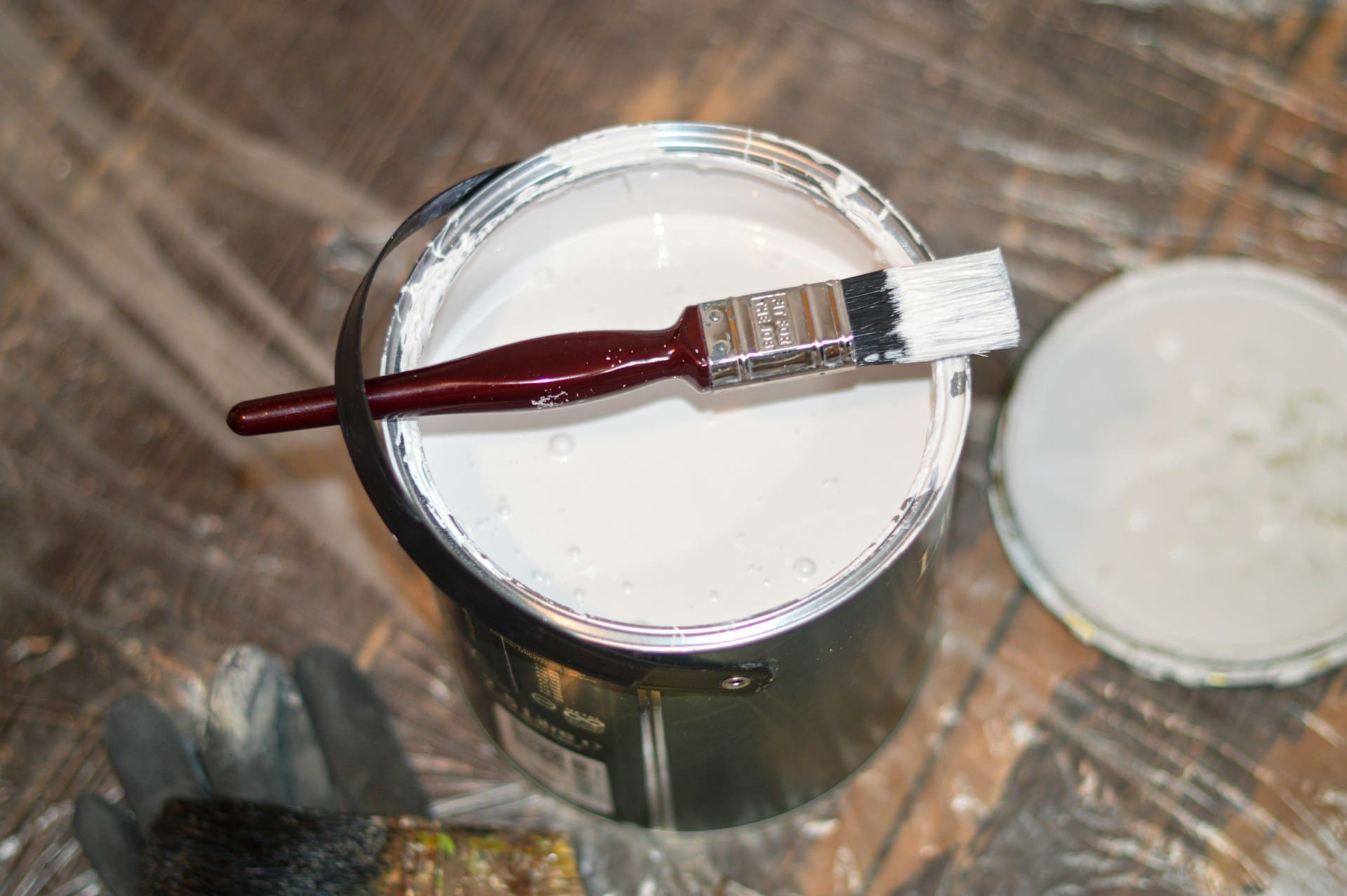
When most people hear eco-friendly paint, they picture a compromise — something better for the planet but inferior in color, coverage, or durability. That assumption is outdated. Modern eco-friendly paints perform at the same level as traditional options while eliminating the health and environmental drawbacks that come with conventional formulations. Whether the project is a bedroom, a living room, or a commercial space, understanding what eco-friendly paint actually offers helps homeowners and business owners make a more informed decision before the next painting project.
What Makes Paint Eco-Friendly
The defining characteristic of eco-friendly paint is a reduced or eliminated presence of volatile organic compounds, more commonly known as VOCs. VOCs are chemicals that evaporate at room temperature and release into the air during and after application. Traditional paints contain them in significant quantities. They contribute to indoor air pollution, ozone depletion, and a range of health symptoms in people exposed to them over time.
Eco-friendly paints address this in several ways:
- Low-VOC formulations significantly reduce the concentration of these compounds without changing how the paint applies or performs
- Zero-VOC formulations eliminate them almost entirely, though some colorants added during tinting can introduce small amounts
- Natural paint formulations use plant-based or mineral-derived ingredients rather than petroleum-based compounds
Beyond VOC content, eco-friendly paints often incorporate recycled materials, use more sustainable manufacturing processes, and are packaged with reduced environmental impact. The category covers a wide range of products, so understanding what a specific paint’s certification actually means is an important part of choosing the right one.
Health Benefits in the Home and Workplace
The reduction in VOC content has direct, practical health implications for anyone spending time in a freshly painted space. Traditional paints off-gas VOCs for days or weeks after application. Symptoms associated with VOC exposure include eye and throat irritation, headaches, dizziness, and in cases of prolonged exposure, more serious respiratory effects.
Low and zero-VOC paints reduce or eliminate that off-gassing period. For families with young children, pregnant women, elderly residents, or anyone with respiratory sensitivities, this is a meaningful difference. In commercial and office environments, the impact extends to employee comfort and productivity during and after a painting project.
Some eco-friendly paint formulations also carry antimicrobial properties that resist mold and mildew growth. In humid climates like Baton Rouge, where moisture management is an ongoing concern, this can provide an additional layer of protection in bathrooms, kitchens, and other moisture-prone areas.
Performance and Durability
One of the most persistent misconceptions about eco-friendly paint is that it performs worse than conventional options. In practice, modern low and zero-VOC formulations match traditional paint in coverage, color retention, washability, and durability. The technology has advanced significantly over the past decade.
What this means practically:
- Coverage rates are comparable — eco-friendly paints do not require additional coats to achieve the same result
- Color options are equally broad — the full range of sheens and finishes is available across eco-friendly product lines
- Washability and durability hold up in high-traffic areas when the right product is selected for the surface and environment
- Dry time and application behavior are similar to conventional paints, so there is no change in process for the painter
The key variable is product selection. Not every paint labeled eco-friendly performs equally well across all applications. A professional familiar with the product lines will match the right formulation to the specific surface and use case.
Cost Considerations
Eco-friendly paints typically carry a slightly higher upfront cost than conventional options. For most projects, the difference per gallon is modest. The more relevant cost consideration is the total value over time.
Factors that affect the long-term cost picture include:
- Durability: well-formulated eco-friendly paints resist fading, cracking, and peeling, which extends the time between repaints
- Health costs: reduced VOC exposure means fewer health-related disruptions during and after a project, which matters particularly in commercial settings where productivity is affected
- Certifications: for commercial properties pursuing green building certifications, using qualifying low-VOC paints can contribute to certification requirements that have real business value
For most residential and commercial projects, the cost difference between conventional and eco-friendly paint is not the deciding factor. The more important consideration is whether the product selected is appropriate for the surface, the environment, and the expected performance over time.
How to Choose the Right Eco-Friendly Paint
Navigating eco-friendly paint options is easier with a framework for evaluating what actually matters for a specific project.
- Verify the VOC rating: look for paints certified by recognized third-party organizations rather than relying solely on marketing language. Certifications set specific thresholds for VOC content.
- Match the product to the surface: high-traffic areas, moisture-prone rooms, and exterior surfaces each have different performance requirements. An eco-friendly paint that works well on a bedroom wall may not be the right choice for a kitchen or bathroom.
- Consider the sheen: matte, eggshell, satin, and semi-gloss finishes each serve different purposes. Higher sheen levels are generally more washable and appropriate for surfaces that get regular contact.
- Account for tinting: some zero-VOC base paints introduce VOCs when colorants are added during tinting. A knowledgeable professional can identify products that maintain low VOC levels through the tinting process.
- Ask about local climate: in Baton Rouge, humidity affects how paint applies, cures, and performs over time. Products and application timing should account for local conditions.
A professional painter with experience in eco-friendly products will take all of these factors into account and recommend options that fit the project rather than leaving the selection entirely to the homeowner.
Making the Switch on Your Next Project
Eco-friendly paint is not a niche product for a specific type of client. It is a practical choice for any painting project where indoor air quality, durability, and long-term performance matter. The health benefits are real, the performance holds up, and the cost difference is modest relative to the total investment in a painting project.
If you are planning an interior or exterior project and want guidance on which eco-friendly products are right for your space, a professional can help you navigate the options and make a selection that fits your goals and your budget. Contact us today to discuss your project and get a free estimate.