Wood Staining vs Painting: What Works Best for Your Home
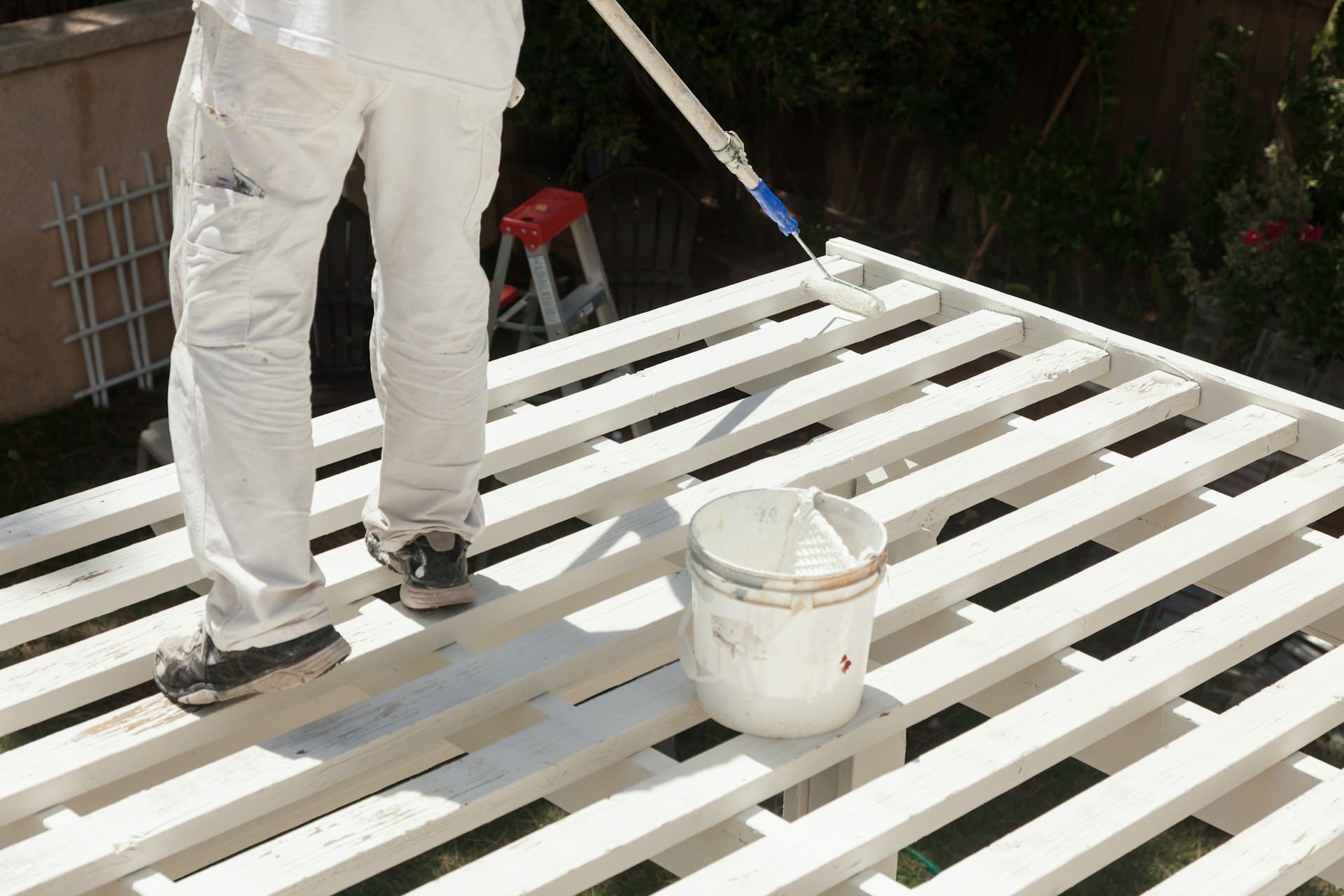
Choosing between wood staining vs painting is a question many homeowners face when it’s time to update their space. Whether you’re redoing cabinets, trim, or furniture, each finish offers something different. Paint gives you solid coverage in any color under the sun, while stain lets the natural wood grain shine through.
So how do you know which is better for your space in Baton Rouge or nearby areas like Prairieville or Denham Springs? The answer depends on your style, how that surface gets used, and how much maintenance you’re ready to manage. We put together a guide to help you understand the pros and cons of both so you can move forward with confidence—especially during the cooler, drier winter months when interior work is more manageable.
Wood Staining vs Painting: Appearance Differences
If you’re drawn to the warm, natural feel of wood, stain is often the better choice. Staining brings out the grain and texture, which is great for hardwoods or architectural details that you want to highlight. It gives off a classic or rustic vibe, making it popular for traditional designs or cozy spaces.
On the other hand, paint covers the wood entirely. That might sound like a downside, but it’s actually a plus if you’re aiming for a sleek, modern look. Paint gives you unlimited color choices and a smoother surface. It also helps hide flaws or mismatched grain, making it useful for furniture or surfaces that aren’t perfect to begin with.
So it really comes down to what you’re going for. Are you looking for warmth and character, or bold color and clean lines? Knowing your design goals makes the decision easier. If you’re not sure which direction to take, choosing the right paint color for your Baton Rouge home often starts with understanding how light, layout, and existing finishes work together.
Which Wood Surfaces Are Better for Stain vs Paint
Not all wood surfaces respond the same to paint or stain. Stain works best on high-quality, solid wood. It needs a surface that can absorb the product and show the grain nicely. If the piece you’re updating is real wood with good texture, stain could bring out the beauty that’s already there.
With engineered wood or pieces made from MDF or veneer, stain won’t absorb correctly. Paint is usually the better route in these cases. It adheres to more surface types and hides signs of past damage or wear.
This matters for things like cabinets or trim, especially in older homes around Baton Rouge. For surfaces like cabinets, working with professional cabinet painting contractors helps ensure the finish choice matches both the material and how the space is used day to day.
Durability and Maintenance: Stain vs Paint
Both finishes need a little upkeep, but they age differently. Stained surfaces handle wear well, as long as they’ve been sealed properly. That said, stain can lighten over time if exposed to too much sun. You may need to refresh it down the line.
Painted surfaces provide better protection against things like spills or smudges. They’re easier to clean, which makes them a smart pick for kitchens, bathrooms, or any high-traffic areas. Places like baseboards, door frames, and decks get bumped and scuffed often. Paint can stand up to everyday use without showing as much wear.
So think about how the space functions. If it’s a spot that gets a lot of activity or moisture, paint may be the better choice for keeping things looking clean longer. This is especially true in high-use areas, where interior painting helps match finish durability to daily wear, moisture, and cleaning needs.
How Easy Is It to Update Stained vs Painted Wood
One big reason people pick paint over stain is all the design freedom. Color can completely change how a space feels, and you’re not stuck with your first pick forever. If you feel like going darker for fall, brighter for spring, or matching a trend, paint makes that easy.
Stain doesn’t offer that kind of flexibility. Once it’s applied, the finish and tone are harder to change without stripping the wood completely. Some people love that grounded, natural look—but if you like to switch things up, stain might feel limiting.
Your future plans should be part of the decision. If your style shifts every few years or you like quick refreshes, stick with paint. If you love timeless tones and don’t plan to redo things often, stain works just fine.
Is Staining or Painting Better During Winter?
December is a great month for interior projects in Louisiana. Humidity drops, and cooler weather keeps things comfortable inside. That’s helpful if you’re painting—low-VOC paints dry well and don’t have a strong smell, so your rooms stay livable through the process.
Stain, on the other hand, can be more sensitive to temperature and humidity changes, especially during application. It may require specific conditions to dry correctly, depending on the product and wood type. In some cases, that can slow the project down or require extra ventilation.
If you’re tackling a project before the holidays or want everything looking fresh for winter gatherings, paint is easier to schedule and complete with fewer hiccups. Cabinets, walls, and trim can get done with less fuss, and you won’t be waiting days for things to set.
Choosing a Finish That Supports Your Long-Term Goals
Whether you lean toward the rich tone of stained wood or the clean finish of paint, the best choice is one that fits your long-term plans. Think about the nearby materials like floors, counters, or wall colors. Do you want the new surface to blend in or stand out?
Add in how much time you want to spend cleaning or maintaining it. Painted surfaces offer more long-term control, especially in homes with kids, pets, or lots of daily use. Stained wood works as a statement finish, best for spaces where you want the material to speak for itself.
And while both options work well when done right, they shine in different settings. If you need help making the final call, talk with a professional. They can look at your home’s condition and help match the finish to the space.
Understanding the difference between staining and painting also ties closely to the benefits of hiring a professional painter instead of taking a DIY approach, especially when surface prep and finish longevity matter.
Balancing style with surface type, maintenance, and seasonal timing will help make sure your updates last and look the way you imagined year-round.
Whether you’re updating cabinets or refreshing trim, understanding the difference between wood staining vs painting can help you make the right call for your home in Baton Rouge or nearby. At Prestigious Painting, we’ll walk you through the pros, the finish options, and what makes the most sense for your space and lifestyle.