Commercial Painting in Baton Rouge: What Business Owners Need to Know
Most business owners approach a commercial painting project expecting it to work like a residential job at a larger scale. In practice, commercial painting involves different products, different scheduling demands, different surface requirements, and a level of project coordination that catches a lot of owners off guard. Getting it right means understanding what the process actually involves and knowing what to look for in a contractor before signing anything. This guide covers everything Baton Rouge business owners need to know about commercial painting, from what the process looks like to what drives the cost and how to choose the right contractor for the job.
What Commercial Painting Covers
Commercial painting covers interior and exterior surfaces across a wide range of property types. Offices, retail spaces, warehouses, multi-family buildings, restaurants, and commercial facilities all fall within the scope of commercial painting work.
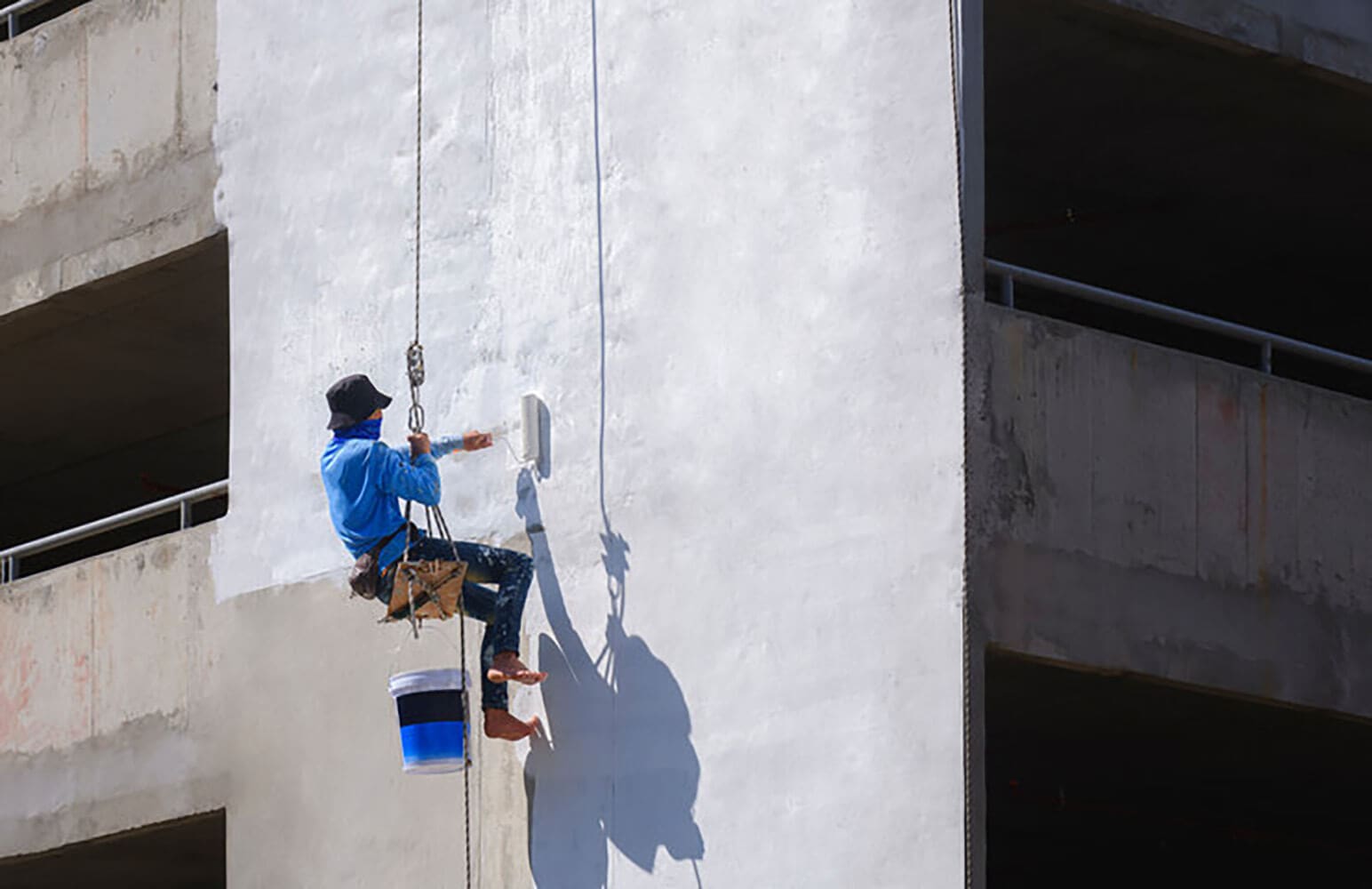
On the interior side, the scope typically includes walls, ceilings, trim, doors, and specialty surfaces like concrete floors or epoxy-coated areas. Exterior work covers building facades, siding, stucco, masonry, metal surfaces, and parking structures. Some contractors also handle line striping, safety markings, and protective coatings as part of a broader commercial scope depending on the property type.
How Commercial Painting Differs from Residential Work
Commercial painting and residential painting share the same basic principles but differ significantly in execution. Business owners who have hired residential painters before should expect a different kind of engagement on a commercial project.
The main differences come down to five areas:
- Scale: commercial projects involve larger surface areas, more complex access requirements, and longer timelines than residential jobs
- Products: commercial environments require paints and coatings built for durability in high-traffic, high-use conditions that standard residential paint is not designed to handle
- Scheduling: commercial work often needs to happen outside business hours, in phases, or around tenant and customer activity to minimize disruption
- Compliance: commercial properties may have requirements around VOC levels, fire ratings, or surface treatments that residential projects do not
- Equipment: commercial jobs typically require larger crews, lifts, and specialized application equipment that most residential painters do not carry
What the Commercial Painting Process Looks Like
A professional commercial painting project follows a defined sequence. The quality of the outcome is determined by how thoroughly each stage is executed, starting well before a brush touches the wall.
Initial Assessment and Project Scoping
The process begins with a full walkthrough of the property. The contractor assesses surface conditions, identifies problem areas, and defines the complete scope of work. This is where decisions are made about what prep is required, what products are appropriate for each surface, and how the project will be phased around the business’s operations. A detailed written proposal covering scope, timeline, product specifications, and cost should come directly out of this assessment.
Surface Preparation
Preparation is the most important stage of any commercial painting project and the one most likely to be cut short by an inexperienced contractor. Exterior prep typically includes pressure washing, scraping loose material, patching damaged surfaces, caulking gaps, and priming. Interior prep includes protecting floors, furniture, and equipment, repairing wall damage, and cleaning surfaces before any coating is applied. Inadequate preparation is the primary reason commercial paint jobs fail well ahead of schedule.
Application and Product Selection
Product selection on a commercial job is driven by the surface type and the demands of the environment. High-traffic areas, moisture-prone spaces, and exterior surfaces all have different performance requirements that determine what coating is appropriate. Commercial-grade coatings are formulated for durability, washability, and in some cases chemical or impact resistance. Application method varies by surface and scope, with sprayers used for large open areas and brushes and rollers for detail work and trim.
Final Walkthrough and Touch-ups
Before the project is closed out, the contractor conducts a final walkthrough with the property owner or manager. Any touch-ups or areas that need additional attention are addressed at this stage. A professional operation leaves the property clean, all surfaces properly protected, and every item in the original scope completed to standard.
What Affects the Cost of Commercial Painting in Baton Rouge
Commercial painting costs vary significantly based on the scope and conditions of the project. Understanding the main cost drivers helps business owners evaluate proposals accurately and recognize the difference between a competitive price and one that reflects corners being cut.
The factors that most directly affect cost include:
- Total surface area: larger properties with more square footage require more labor and material
- Surface condition: properties with significant damage, peeling paint, or heavy contamination require more prep time, which adds to the overall cost
- Product specification: commercial-grade coatings cost more than standard paint but are necessary for the performance demands of a commercial environment
- Access requirements: work that requires lifts, scaffolding, or after-hours scheduling involves additional coordination and cost
- Project phasing: jobs that need to be completed in stages around active business operations take longer and require more logistical management
How a Good Contractor Manages Scheduling and Disruption
Disruption management is one of the clearest ways to tell a professional commercial painting contractor from one who is not equipped for the work. A business that stays open during a painting project has real constraints, and a contractor who cannot work around them creates problems that cost more than the paint job itself.
A professional contractor builds a schedule around the business’s operations rather than asking the business to work around the painting crew. This may mean phasing the work by section, scheduling after hours or on weekends, or staging materials and equipment to keep customer and employee access clear throughout the project.
For interior work, low-VOC product options can reduce odor and air quality impact during business hours. A knowledgeable contractor will advise on product choices that fit the environment and the schedule. Clear communication throughout the project is the baseline standard: daily progress updates, advance notice of access needs, and prompt responses to concerns should all be part of how a professional operation runs a commercial job.
What to Look for in a Baton Rouge Commercial Painter
Not every painting contractor is equipped for commercial work. Residential experience does not automatically translate to the scale, product knowledge, and scheduling demands of a commercial project. These are the factors that matter when evaluating a commercial painter in Baton Rouge.
- Commercial-specific experience: ask for examples of similar projects such as office buildings, retail spaces, or warehouses rather than just residential references
- Licensing and insurance: commercial projects require contractors to carry appropriate coverage for the scope and scale of the work
- Product knowledge: the contractor should be able to explain clearly why they are recommending specific products for specific surfaces and environments
- Scheduling flexibility: the ability to work around your business hours is essential for minimizing disruption to operations and customers
- Detailed written proposal: scope, timeline, product specifications, payment terms, and warranty should all be clearly documented before any work begins
- Local references: ask for references from other Baton Rouge commercial property owners or managers who can speak to how the contractor performed on a comparable project
Get a Commercial Painting Estimate in Baton Rouge
Commercial painting is a more involved process than most business owners expect going in. The right contractor manages both the quality of the finished work and the impact on the business while that work is happening. Those two things together are what make a commercial painting project successful.
We work with Baton Rouge business owners and property managers on commercial painting projects of all sizes and types. If you are ready to get a clear picture of what your project would involve and what it would cost, we would be glad to help. Contact us today to request a free estimate.