Signs Your Baton Rouge Business Needs a Fresh Coat of Paint
Most business owners don’t wake up one day and decide it’s time to repaint. It happens gradually. A wall starts looking off. The exterior seems duller than it used to. A client says something in passing. The space that once felt sharp starts feeling like it belongs to an older version of the business.
The question is whether what you’re noticing is worth acting on or just normal wear to accept. For most commercial spaces in Baton Rouge, the answer is that the signs show up sooner than expected. The combination of humidity, heat, and UV exposure here puts more stress on paint than most climates, which means commercial painting in Baton Rouge has a shorter effective window than a business owner might assume.
Recognizing the signs early matters because paint deterioration in a commercial space doesn’t just affect the building — it affects how customers perceive the business and how employees experience the space every day. This blog walks through the specific signs that indicate your space is due for a fresh coat and why each one is worth taking seriously.
Fading and Uneven Color
Louisiana’s UV exposure is relentless. Over time, it bleaches the pigment out of exterior and interior paint, producing a washed-out, dull appearance that’s easy to miss until the contrast becomes obvious.
The fading usually isn’t uniform. You’ll notice it first where sun exposure is highest — south-facing walls, areas above windows, surfaces that get direct afternoon light. The result is a patchy, uneven color that reads as neglect even when the rest of the property is well-kept.
A few places to check:
- Exterior walls compared to areas that stay shaded or protected
- Interior walls near windows or skylights versus walls further from natural light
- Trim and accent colors, which tend to fade faster than field colors
For commercial exteriors, fading carries an added consequence. The exterior of a business is the first thing a prospective customer sees, and a faded facade creates an impression before they’ve walked through the door.It signals that maintenance isn’t a priority, which is rarely the message a business wants to lead with. Faded paint doesn’t just look tired — it makes the entire space look like it hasn’t been touched in years, regardless of how well everything else is maintained.
Peeling, Bubbling, and Flaking
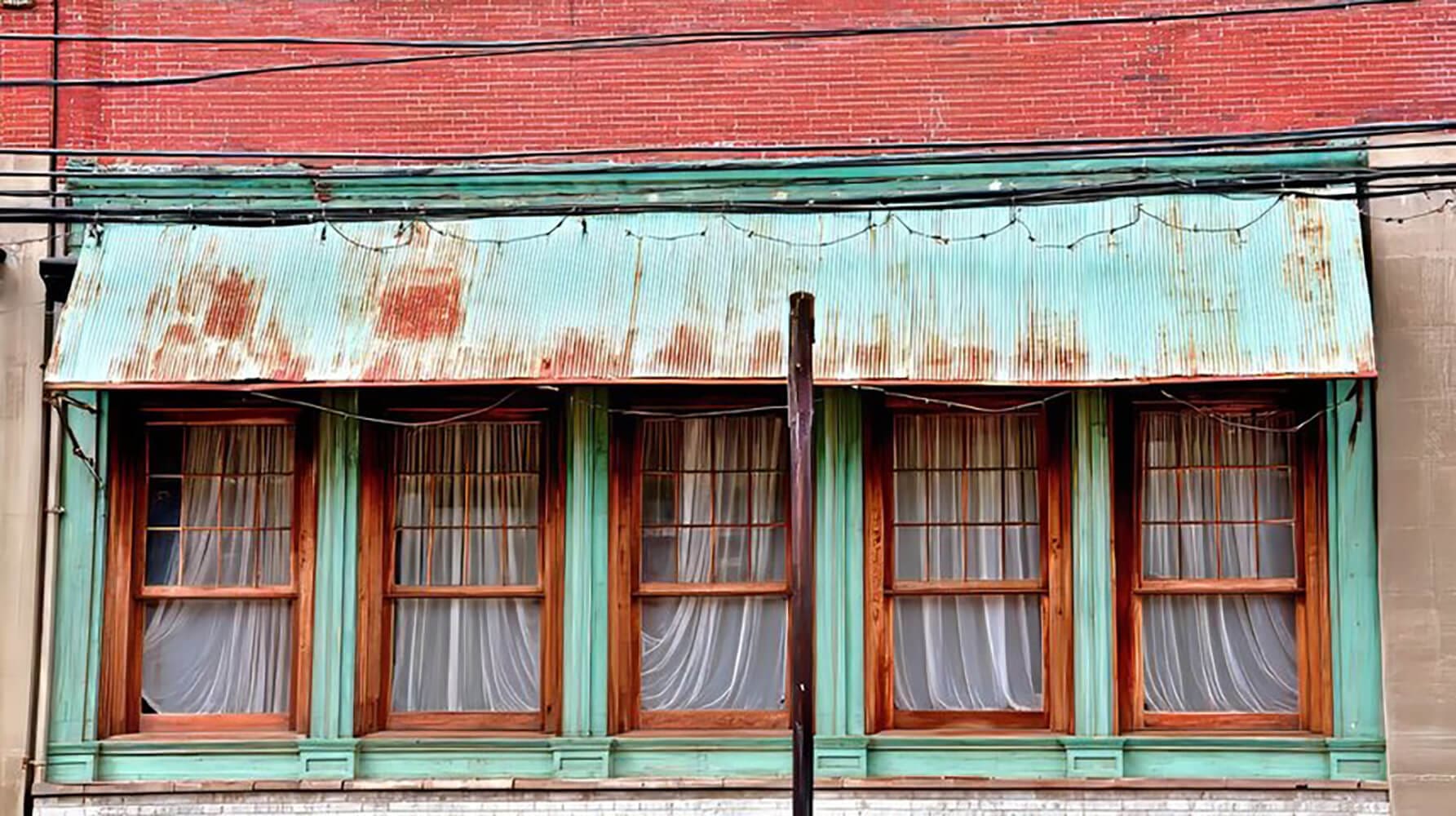
Peeling and bubbling are signs that the paint film has lost its bond with the surface beneath it. In Baton Rouge, the primary causes are moisture intrusion and the constant cycle of heat and humidity that forces paint to expand and contract over time.
Once the film breaks, the underlying surface is exposed. Moisture gets into the substrate, wood begins to soften or rot, masonry absorbs water, and what started as a surface issue becomes structural damage. Addressing it at the peeling stage is significantly less involved than addressing it after the substrate has been compromised.
This is one of the clearest signs that the coating has failed. On a commercial exterior, peeling paint is visible to every person who approaches the building. On an interior, it signals to employees and clients that maintenance has been deferred. Bubbling near windows, doors, or HVAC vents often points to a moisture source that needs to be identified and addressed alongside the repaint — a professional assessment will catch what’s driving it, not just what’s visible on the surface.
Staining and Discoloration That Won’t Clean Off
There’s a difference between surface dirt that wipes away and staining that has worked its way into or through the paint film. When cleaning doesn’t resolve the discoloration, the paint is no longer doing its job.
Common sources of persistent staining in commercial settings include:
- Water stains from roof or HVAC leaks — these typically appear as yellow or brown rings and indicate an ongoing moisture issue, not just a surface problem. The stain itself is secondary to what’s causing it.
- Mold and mildew discoloration — Baton Rouge’s humidity makes commercial spaces particularly susceptible, especially in areas with limited airflow, near exterior walls, or around HVAC systems. Mold discoloration that returns after cleaning is a sign the conditions driving it haven’t been addressed.
- Accumulated grime in high-traffic areas — entry points, hallways, and waiting areas collect scuffs and grime that bond with the paint surface over time and can no longer be cleaned off
When discoloration persists after cleaning, the paint is no longer functioning as a protective barrier. That failure is visible to everyone who walks through the space, and in a client-facing environment, it creates an impression that’s difficult to offset with anything else in the room.
Scuffs and Wear Patterns That Have Become Permanent
Commercial interiors take a beating. Walls along high-traffic corridors, corners near doorways, and surfaces behind chairs and desks accumulate marks over time. Some of that is expected and manageable with routine cleaning.
The line gets crossed when the marks are no longer sitting on top of the paint — they’ve become part of the surface because the paint has worn through. At that point, cleaning doesn’t help and touch-up paint rarely matches well enough to fix it cleanly.
Permanent wear patterns are easy to stop noticing because they develop slowly. Employees who work in the space every day often stop registering them entirely. But a client, vendor, or new hire walking in for the first time sees the space fresh, and worn walls register immediately even if they can’t articulate exactly what they’re reacting to. A space with visibly worn walls signals that the business has let maintenance slide, which is a different message than active paint failure but one that affects perception just as quietly.
Paint That Makes the Space Feel Outdated
Not every sign of needing a repaint is about failure. Color and finish trends shift, and a commercial space painted several years ago may now read as dated even if the paint itself is still intact.
Outdated doesn’t always mean a specific color that’s fallen out of style. It can show up as a sheen that feels wrong for the space. A color palette that no longer matches updated furniture or branding. Walls that simply feel like they belong to an older version of the business. Sometimes a renovation elsewhere makes it obvious — new flooring or updated fixtures that make the existing paint look out of step.
This sign matters most in settings where appearance directly affects how the business is perceived:
- Retail environments where the visual experience is part of the product
- Hospitality spaces where atmosphere drives customer decisions
- Client-facing offices where the space is part of the impression the business makes
Outdated paint doesn’t carry the same urgency as peeling or mold staining. But if the space no longer reflects how the business wants to present itself, that gap is worth addressing. A repaint is one of the more cost-effective ways to bring a commercial space current without a full renovation.
Talk to a Commercial Painter Before the Signs Get Worse
None of the signs above improve on their own. Fading continues. Peeling spreads. Staining deepens. Wear patterns accumulate. The longer a space goes without commercial painting attention, the more the paint is working against the business rather than for it.
The right next step isn’t necessarily committing to a full repaint. It’s getting a professional set of eyes on the space to understand what’s actually going on and what it would take to address it.
Prestigious Painting provides commercial painting services in Baton Rouge for office interiors, commercial exteriors, and full property repaints. Contact us today to schedule an assessment and get a clear picture of what your space needs.